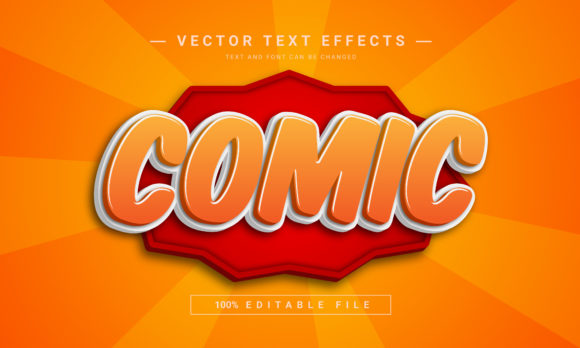
Comic 3D Editable Text Effect: Instant Dimension for Your Designs
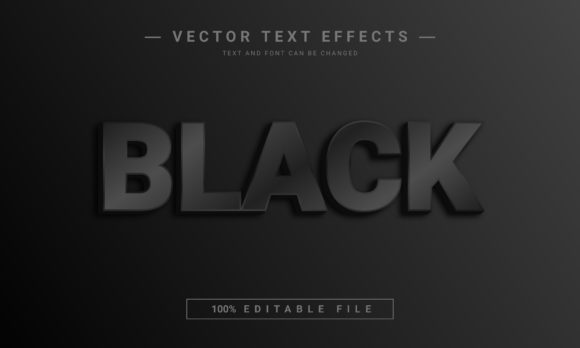
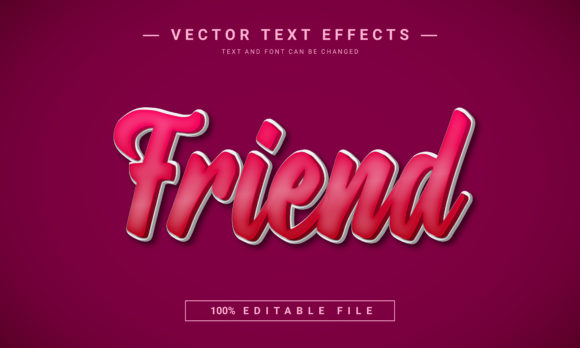
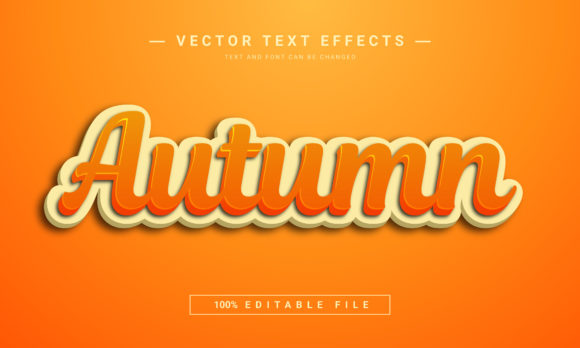
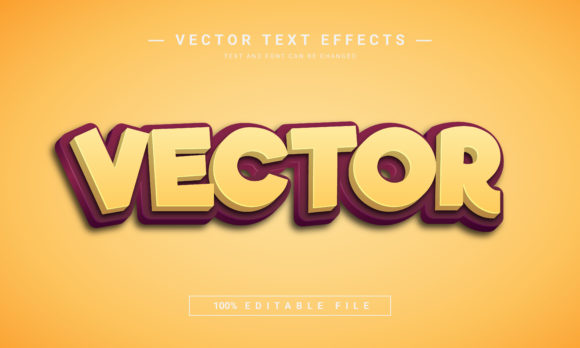
There’s a specific kind of energy that jumps off a page or screen when text has genuine dimension. It’s not just a shadow or an outline; it’s the illusion of a physical object existing in space. This is the core appeal of the Comic 3D Editable Text Effect. It’s a pre-built design asset that transforms standard letterforms into bold, three-dimensional characters with a distinct comic book or retro arcade vibe. Think of the title lettering from a classic superhero comic or the logos from vintage funfair signage—full of life, depth, and an undeniable sense of fun. The key here isn’t just the style, but the structure. It’s a premium font system built for immediate practical application.
Beyond Static Graphics: The Power of Editable Text
Many decorative typefaces or text effects come as static image files. You get what you’re given. The Comic 3D Editable Text Effect operates differently. It’s typically delivered as a smart object or a set of layered files, most commonly for Adobe Photoshop. This means the effect is non-destructive. You can type your own words, adjust the font size, and even change the base colors of the letters and their extruded shadows. This flexibility is what makes it a valuable piece of design assets for a working professional. Instead of spending hours manually building bevels, gradients, and perspective shadows, you have a foundation that respects your time and delivers consistent, high-impact results.
The visual personality of this effect is unapologetically loud and playful. It uses strong outlines, vibrant color palettes, and exaggerated depth to create a sense of excitement. This makes it a standout display font solution. It’s not for body copy in a novel. Its strength lies in headlines, logos, and any context where you need to grab attention instantly and communicate a tone of energy, nostalgia, or adventure. For a brand identity that targets a younger demographic or wants to evoke a sense of playful nostalgia, this effect can be a cornerstone of visual communication.
Strategic Applications: Where This Effect Truly Shines
Understanding where a tool like the Comic 3D Editable Text Effect fits into real projects is crucial for leveraging its value without overusing it. Its bold nature means it works best in specific, high-impact scenarios.
In marketing and social media graphics, it’s a powerhouse. A Facebook cover or Instagram story promoting a sale, a new product launch, or an event can use this effect for the main headline to stop the scroll. The dimensionality makes the text feel more tangible and urgent. For entrepreneurs and small business owners, especially in sectors like gaming, toys, entertainment, or family-oriented services, it can inject immediate personality into promotional materials.
For publishers and content creators, particularly those in the KDP (Kindle Direct Publishing) space, a compelling cover is non-negotiable. A Comic 3D Editable Text Effect can create a dynamic title for a children’s book, a graphic novel, or a fun activity book that stands out in thumbnail searches. The same principle applies to web design for a landing page or a hero banner where you need a singular, memorable statement.
Even in packaging design, a localized use of this effect can draw the eye on a crowded shelf. Imagine the product name on a cereal box, a snack bag, or a toy packaging using this style. It immediately signals fun and excitement. The key is strategic placement. You wouldn’t set an entire paragraph with it, but as the focal point of a logo design for a band, a YouTube channel, or a local comic book store, it can become a defining part of the brand identity.
Making It Work: Practical Guidance for Designers and Creators
Adopting any strong stylistic tool requires thoughtful execution. Here’s how to approach the Comic 3D Editable Text Effect to ensure it enhances rather than overwhelms your project.
Evaluate Project Fit First. Before you even download or open the file, ask: Does the tone of my project call for this level of playful energy? A corporate annual report? Probably not. A startup’s mobile app aimed at casual gamers? Perfect. The effect communicates a specific personality; your job is to ensure it aligns with the message.
Master the Editability. The real power is unlocked when you customize. Don’t just type “SALE” in the default red and yellow. Experiment with the color sliders. Change the base text color to match your client’s brand palette. Adjust the shadow depth or angle if the effect allows. This turns a pre-made asset into a bespoke part of your design assets library.
Font Pairing is Critical. This is where many go wrong. Pairing a complex 3D display effect with another ornate script font or handwritten font will create visual chaos. The solution is contrast and simplicity. Pair your bold, dimensional headline with a clean, neutral sans serif font for subheadings or body text. A classic serif font can also work if you’re aiming for a retro-comic contrast, but ensure there’s a clear hierarchy. The 3D text is the star; everything else should be a supporting actor.
Consider Readability in Context. While the effect is designed for impact, always test it at the intended size. Zoom out to see if the words are still legible as a thumbnail on a social feed. Check the contrast between the text color and its background. A highly stylized typeface can lose clarity if the color choices are too subtle or the background too busy.
Review Licensing for Commercial Use. If you’re using this for a client project, a product for sale, or any commercial venture, you must verify the license. Most premium design assets come with a license that allows for commercial use, but it’s your responsibility to read the terms. This ensures your use is legal and professional, protecting both you and your client.
Ultimately, the Comic 3D Editable Text Effect is less a font and more a specialized tool for visual storytelling. It’s a shortcut to creating a specific mood—one of fun, nostalgia, and bold confidence. Used with intention and paired with complementary modern typography, it can elevate a design from flat to fantastic, making it a worthy addition to the toolkit of any designer, marketer, or publisher looking to inject a dose of dynamic energy into their work. Its value lies not in its complexity, but in its ability to deliver a powerful, editable visual punch exactly when a project calls for it.