Unlocking Modern Branding with 3D D Logo Design
In the crowded landscape of digital branding, standing out requires more than just a standard icon; it demands depth, dimension, and immediate recognition. A well-executed 3D D Logo Vector serves as a powerful cornerstone for visual identity, particularly for brands that want to convey innovation and solidity. Whether you are developing a mobile application, a gaming studio, or a corporate identity, the letter "D" offers a versatile foundation. However, when rendered in three dimensions, it transforms from a simple glyph into a tactile, engaging element that captures attention instantly. This specific design approach is not just about aesthetics; it is about creating a psychological connection with the audience that suggests reliability and forward-thinking technology.
Visual Characteristics and Design Appeal
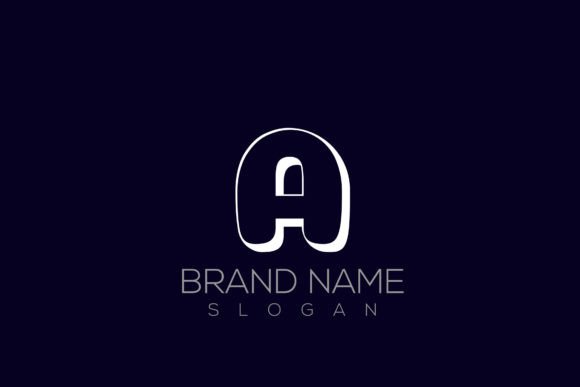
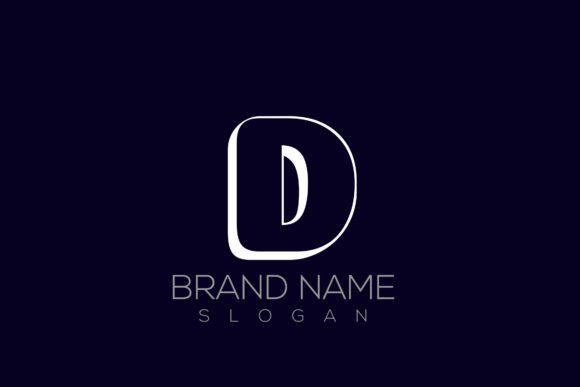
The core appeal of a 3D D Logo Design lies in its ability to simulate physical presence on a flat screen. This specific vector asset likely utilizes gradients, shadows, and highlights to create a convincing illusion of depth. You might see rounded edges that suggest a polished, user-friendly interface—ideal for tech startups—or sharp, angular facets that imply precision and strength, perfect for finance or real estate sectors. The "premium" nature of these assets usually means the vector paths are clean and scalable. This is crucial because a logo needs to look as crisp on a massive billboard as it does on a tiny smartphone favicon.
When evaluating the visual personality of this design, consider the interplay of light and color. A 3D effect often relies on a sophisticated gradient map. For instance, a shift from deep blue to electric cyan can evoke a sense of digital synchronization or data flow, making it an excellent fit for hosting companies or software developers. Conversely, a warm gradient might be better suited for entertainment or multimedia brands. The dimensionality adds a layer of professionalism that flat logos sometimes struggle to achieve. It tells the viewer that the brand is established, robust, and ready for interaction.
Strategic Applications Across Industries
Understanding where to deploy a 3D D Logo Vector is just as important as the design itself. Because the asset is delivered in .EPS and .JPEG formats, it offers immense flexibility. The .EPS file is a vector format, meaning it can be resized infinitely without losing quality. This is essential for print materials like business cards, letterheads, and merchandise. The .JPEG, on the other hand, is ready for immediate digital use—think website headers, social media profiles, or email signatures.
For a gaming or entertainment company, the 3D effect can mimic the aesthetic of high-end console graphics or app interfaces. It creates an immediate association with quality and immersion. For a medical or scientific brand, the 3D element can symbolize the layers of care, data analysis, or the complexity of biological structures. Even in fashion or clothing, a metallic or textured 3D "D" can serve as a monogram that feels luxurious and high-end. The versatility of the letterform allows it to adapt to various contexts, from a personal blog logo to a corporate identity system.
Practical Implementation and Typography
A logo rarely stands alone; it usually works in tandem with typography to complete a brand identity. This asset package includes help files and free font recommendations, which is a significant advantage for designers. When pairing your new 3D mark with a typeface, you need to consider the hierarchy. If the "D" is complex and detailed, the supporting text should likely be cleaner and simpler. A sans serif font often works best here, providing a modern, legible counterpoint to the decorative logo mark.
When selecting the font to accompany your 3D D Logo Design, pay attention to the x-height and kerning. You want the text to feel integrated with the icon, not like an afterthought. If the logo is for a digital or tech startup, a geometric sans-serif will reinforce that modern feel. For a property or finance brand, a sturdy serif might add a touch of tradition and trust. The included help file likely offers specific guidance on which typefaces were used in the preview images, giving you a tested starting point. Always test your font pairing on different backgrounds to ensure the 3D effects don't clash with the text legibility.
Technical Considerations for Designers
When you download a premium font or logo asset, the workflow matters. Before finalizing your design, open the vector file in software like Adobe Illustrator. Check the anchor points and the complexity of the 3D shading. Sometimes, complex gradients can slow down web performance if not optimized correctly. Ensure you create a flat version of the logo for situations where the 3D effect might be too busy or technically challenging to render, such as embossing on merchandise or single-color printing.
Furthermore, consider the "sync" and "synchronize" aspect of your brand assets. Your 3D logo should be consistent across all platforms. If you use the gradient-heavy 3D version on your website, ensure the color palette is saved as a swatch for use in your marketing materials. This consistency builds brand recognition. Whether you are a freelancer, a content creator, or running a startup, treating this logo asset as the anchor of your visual system will help you build a cohesive and professional presence. The goal is to make your brand feel like a unified entity, whether the customer is looking at a business card or a mobile app interface.
Ultimately, a 3D logo is a commitment to a modern, high-quality aesthetic. It signals that you are invested in your brand's appearance and, by extension, the quality of your service or product. By leveraging the scalability of the vector format and the visual impact of 3D design, you position your brand to cut through the noise and make a lasting impression.